
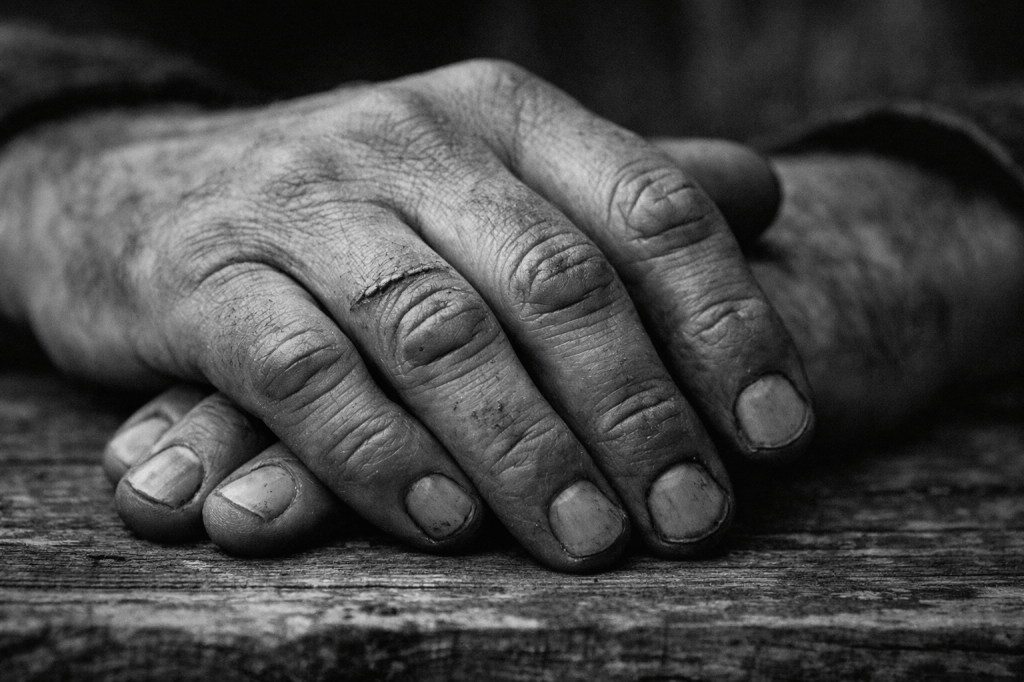
Some scars change how you move, and they should.
Some mistakes don’t want to be forgiven. They want to be carried.
I used to believe harm required words. If I could explain it cleanly, with enough visible remorse, the ledger would clear and I could come out the other side unburdened, without having to change.
That’s bullshit.
Words float, but they aren’t light. They ask to be gathered, and for someone else to hold what I don’t want to hold alone.
Mistakes don’t deserve language. They don’t get to ask for mercy. They don’t get to beg. They simply require endurance.
When I hurt someone I love, the obligation isn’t explanation. It’s restraint. It’s learning how to live without reaching for the thing I broke. It’s stopping at the threshold with my fingers on the cold knob and letting go. It’s letting silence stand without trying to improve it.
To carry a mistake is to stop negotiating with it. To stop asking whether it counts, whether it was understandable, whether intent should soften the edge of impact. Intent is comforting. Impact is real.
I can’t ask for forgiveness, because forgiveness would make it about my relief. I can’t demand understanding, because understanding would make it about my coherence. I can’t perform growth, because performance is just another attempt to be seen as good again.
So I do the only thing left. I change how I stand in the world. I move slower. I speak less. I stop reaching for reassurance. I let my mistake teach my hands where not to go.
It isn’t a failure of self-compassion. It’s refusing to outsource the cost to the person I injured. It’s not asking them to carry my need on top of what they’ve already endured.
Love, when it’s clean, doesn’t demand relief. It bears weight without display.
So I carry it. Not as proof of virtue. I carry it the way I carry a scar that reminds me where the edge was. And I keep my hands off the blade.


2 responses to “Where the Edge Was”
We are fairly good at having similar base thoughts or ideas. This made me remember that when somethings between people feels similar it can be taken for granted that everything surrounding it, like definition, results, pathways, situations, feelings are therefore felt and experienced the same way.
We are similar, but I think some of the veins and edges might differ. Maybe the process.
Also, we could likely find the same page as we have in the past.
LikeLiked by 1 person
That’s a good distinction. You and I have often landed on similar ideas, but similar ideas does not mean the path to those ideas was the same. The veins and edges matter, the interior experience can be different. Still even if we tend to get there by differing routes, we have managed to find the same page more than once over the years.
LikeLiked by 1 person